
Key Takeaways
- MT4 is the stable industry standard for Forex/CFDs, great for algorithmic trading but has a dated UI.
- MT5 is the advanced, multi-asset platform with more features but its MQL5 language is incompatible with MT4 EAs.
- cTrader offers a superior, modern UI/UX, True ECN, and powerful C#-based algorithmic trading (cBots).
- Platform choice depends on trading style (manual, algo, social), broker availability, and needed features.
- Options include proprietary, web-based, social trading (copy trading), and specialized institutional platforms.
Table Comparison of 3 Forex Trading Platforms
| Feature | MetaTrader 4 (MT4) | MetaTrader 5 (MT5) | cTrader |
| Launch | 2005 | 2010 | N/A (Modern Contender) |
| Purpose/Focus | Industry standard for Forex and CFDs. | Multi-asset platform (Forex, Stocks, Futures, Options, Cryptocurrencies). | Clean, modern design with emphasis on transparency (True ECN). |
| Timeframes | 9 | 21 | Extensive |
| Built-in Indicators | 30 | 38 | Extensive |
| Strategy Tester | Single-thread | Multi-threaded, multi-currency (Improved) | Built-in (cAlgo) |
| Programming Language | MQL4 | MQL5 (Not compatible with MQL4 EAs) | C# (cAlgo) |
| Depth of Market (DOM) | No | Yes | Level II Depth of Market (Full Market Depth) |
| Pros | Industry standard, stable, vast community support, excellent for algorithmic trading. | Broader asset range, more analytical tools, enhanced backtesting, modern, supports netting and hedging. | Superior UI/UX, True ECN trading, advanced order management, powerful C#-based algorithmic trading, integrated social trading (cTrader Copy). |
| Cons | Dated interface, limited asset support, single-thread tester. | Steeper learning curve, MQL4 EAs incompatible, less widely adopted than MT4. | Fewer brokers offer it, smaller community, learning curve for C#. |
Forex trading platforms are essential software applications provided by brokers that serve as the primary interface for traders to interact with financial markets. They enable market analysis, order execution, and account management, acting as a crucial bridge between traders and liquidity providers.
Core Functionalities of Forex Trading Platforms:
- Real-time Market Data: Live quotes for various financial instruments.
- Advanced Charting Tools: Customizable charts with multiple timeframes, drawing tools, and technical indicators (e.g., moving averages, RSI, MACD).
- Order Management: Support for various order types (market, limit, stop, OCO) and risk management tools like take-profit and stop-loss.
- Automated Trading: Capability to run algorithmic trading systems (Expert Advisors or cBots) based on predefined rules.
- News and Analysis: Integrated economic calendars, news feeds, and analytical reports.
- Account Management: Tools for fund deposits/withdrawals, trade history review, and performance analytics.
The Dominant Platforms: MetaTrader Suite
MetaQuotes Software’s MetaTrader platforms are industry giants, widely adopted by millions of traders and hundreds of brokers globally.
1. MetaTrader 4 (MT4): The Industry Veteran
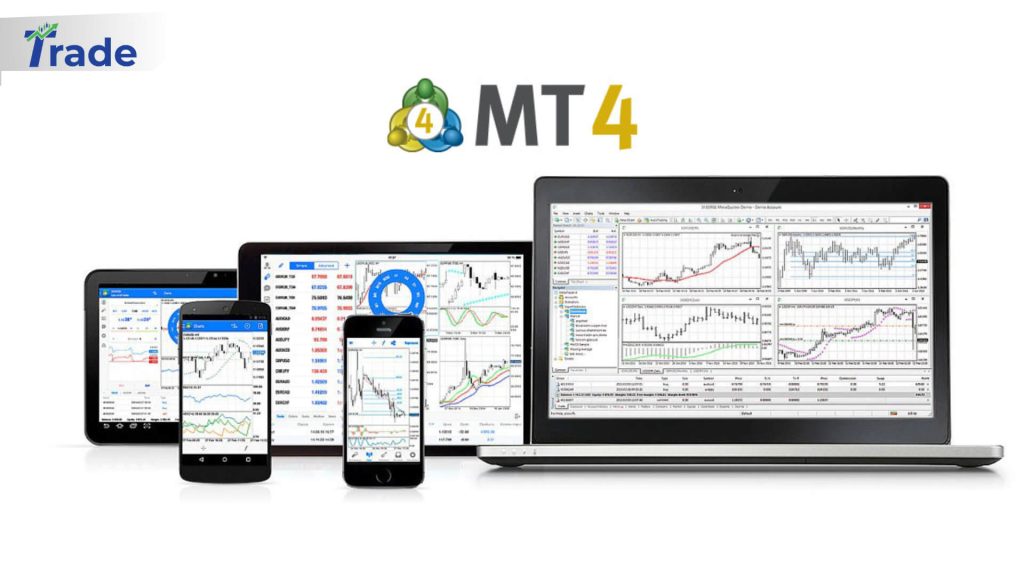
- Launch: 2005
- Reputation: Enduring popularity due to robustness, reliability, and extensive customizability.
- Key Features:
- User-Friendly Interface: Simple and well-organized, suitable for beginners.
- Charting Tools: Nine timeframes, 30 built-in technical indicators, and numerous graphical objects.
- Automated Trading (Expert Advisors – EAs): Utilizes the MQL4 programming language for developing and implementing automated trading strategies. Fosters a large community of developers and users.
- Custom Indicators and Scripts: Supports thousands of custom tools for enhanced analysis and task automation.
- Marketplace: Integrated platform for buying or renting EAs and indicators.
- Multi-Device Compatibility: Available on desktop (Windows, Mac via Wine), web, and mobile (iOS, Android).
- Pros:
- Industry standard, widely supported by brokers.
- Stable and reliable performance.
- Vast community support and resources.
- Excellent for algorithmic trading.
- Low system resource consumption.
- Cons:
- Dated user interface design.
- Primarily for forex and CFDs; limited support for other asset classes.
- Single-thread strategy tester.
2. MetaTrader 5 (MT5): The Advanced Evolution
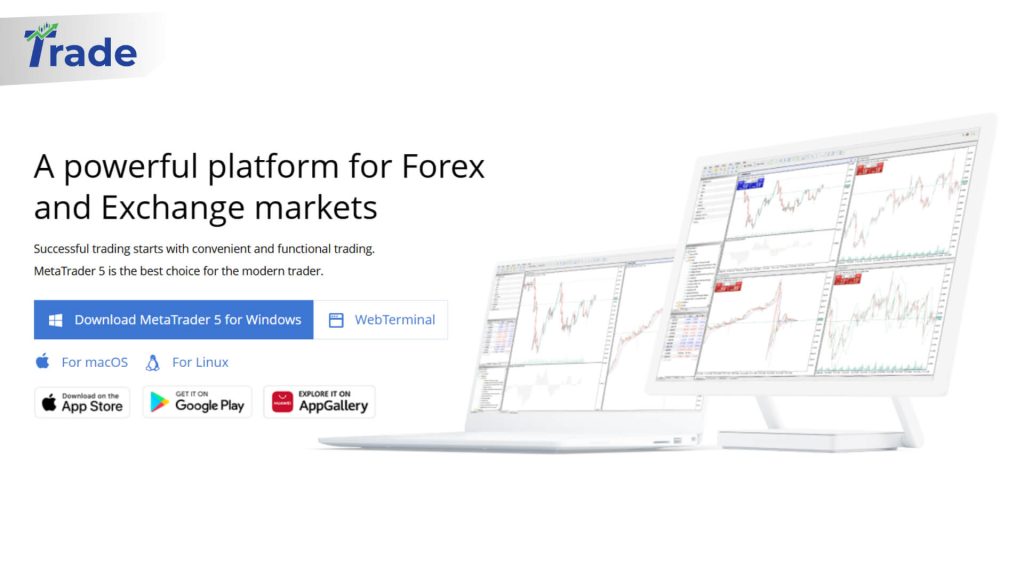
- Launch: 2010
- Purpose: Designed as a more powerful, multi-asset platform to succeed MT4.
- Key Features:
- Multi-Asset Trading: Supports forex, stocks, futures, options, and cryptocurrencies from a single platform.
- More Timeframes: Offers 21 timeframes.
- More Indicators and Analytical Objects: Features 38 built-in indicators and 44 graphical objects.
- Improved Strategy Tester: A multi-threaded, multi-currency strategy tester for more efficient backtesting.
- Depth of Market (DOM): Displays bids and offers at different price levels for market liquidity insights.
- Economic Calendar: Integrated for fundamental analysis.
- MQL5 Programming Language: A more advanced, object-oriented language for developing EAs and indicators, offering greater flexibility but requiring adaptation for MQL4 EAs.
- Order Types: Supports four order execution modes and six pending order types.
- Pros:
- Broader range of financial instruments supported.
- More analytical tools and timeframes.
- Enhanced backtesting capabilities.
- More modern and powerful than MT4.
- Supports netting and hedging account options.
- Cons:
- Slightly steeper learning curve for MT4 users.
- MQL4 EAs are not directly compatible with MQL5.
- Less widely adopted by forex brokers than MT4, though growing in popularity.
The Modern Contender: cTrader
Developed by Spotware Systems, cTrader is a popular alternative known for its sleek design, advanced features, and emphasis on transparency.
- Key Features:
- Clean and Modern Interface: Intuitive, professional, and visually appealing user experience.
- Level II Depth of Market: Provides full market depth for greater transparency.
- Advanced Order Types: Comprehensive range of orders with advanced protection features (Stop Loss & Take Profit, Trailing Stops).
- Algorithmic Trading (cBots): Features cAlgo for developing and backtesting automated trading robots and custom indicators using C#.
- QuickTrade: One-click trading functionality directly from charts.
- Charting: Extensive charting capabilities with multiple chart types, timeframes, and indicators.
- Multi-Device Compatibility: Available across desktop, web, and mobile platforms.
- Integrated Social Trading: cTrader Copy allows users to copy strategies of successful traders.
- Pros:
- Superior user interface and experience.
- True ECN (Electronic Communication Network) trading environment with full DOM.
- Advanced order management tools.
- Powerful C#-based algorithmic trading platform (cAlgo).
- Emphasis on transparency and fast execution.
- Cons:
- Fewer brokers offer cTrader compared to MT4/MT5.
- Smaller community of users and third-party developers.
- Learning curve for C# for cBots.
Other Notable Forex Trading Platforms
Beyond the “big three,” several other platform types cater to specific needs:
1. Proprietary Broker Platforms:
- Description: In-house platforms developed by brokers, ranging from simple web interfaces to sophisticated software.
- Pros: Tailored to broker offerings, integrated with account management.
- Cons: Not portable across brokers, variable quality.
2. Web-Based Trading Platforms:
- Description: Run directly in a web browser, requiring no installation, offering maximum accessibility.
- Pros: Accessible from any device, cross-platform compatibility, no installation needed.
- Cons: Can be less powerful than desktop versions, dependent on internet connection.
3. Social Trading Platforms:
- Description: Enable “copy trading” or “mirror trading,” allowing users to replicate trades of experienced traders.
- Examples: eToro, ZuluTrade, DupliTrade.
- Pros: Ideal for beginners or time-constrained traders, access to expert strategies.
- Cons: Performance not guaranteed, requires due diligence in selecting traders, may hinder personal skill development.
4. Specialized and Institutional Platforms:
- Description: Cater to advanced traders, institutions, or those requiring specific functionalities like ultra-low latency or direct market access.
- Examples: NinjaTrader, TradeStation, XTB’s xStation.
- Pros: Highly advanced features, low latency, direct market access, complex order types.
- Cons: Higher minimum deposits, steeper learning curves, often geared towards specific asset classes.
Key Factors for Choosing a Platform:
- Broker Availability: The platform must be supported by your chosen broker.
- Trading Style:
- Manual Traders: Prioritize intuitive interfaces, charting tools, and fast execution.
- Algorithmic Traders: Focus on backtesting, programming language support (MQL4/MQL5, C#), and community resources.
- Social Traders: Look for integrated copy trading features.
- Features and Tools: Assess the need for advanced charting, specific indicators, DOM, economic calendars, etc.
- User Experience (UI/UX): Evaluate the interface for intuitiveness, comfort, and efficiency.
- Available Assets: Determine if the platform supports only forex or a wider range of markets.
- Mobile Trading: Check the functionality and reliability of mobile apps if trading on the go.
- Performance and Reliability: Ensure stability, fast order execution, and minimal downtime.
- Security: Verify robust security measures for account and data protection.
- Community and Support: A large community can offer valuable resources and troubleshooting.
- Cost: While platforms are typically free from brokers, be aware of potential costs for premium tools or data.
Conclusion
The choice of a forex trading platform is highly personal and depends on individual trading style, technical needs, and comfort level.
Options range from the established MT4 and advanced MT5 to the modern cTrader, alongside proprietary, web-based, and social trading solutions.
Thoroughly exploring platforms via demo accounts is recommended to find the best fit for achieving financial goals.
FAQs About Forex Trading Platforms
What are the primary differences between MT4 and MT5?
MT4 is stable and the industry standard for Forex/CFDs (MQL4, 9 timeframes). MT5 is the advanced, multi-asset evolution (Forex, Stocks, Futures), with more features (MQL5, 21 timeframes, improved backtesting) and Depth of Market. Note MQL4 EAs are not compatible with MQL5.
Why is cTrader considered a superior, modern trading platform?
cTrader offers a superior UI/UX, True ECN trading for greater transparency (Level II DOM), and advanced order management. It supports powerful algorithmic trading (cBots) using C# and includes integrated social trading via cTrader Copy.
Which programming languages are used for automated trading (EAs/cBots) on the three main platforms?
MetaTrader 4 (MT4) uses MQL4, which has a large community. MetaTrader 5 (MT5) uses the more advanced MQL5, which is not compatible with MQL4 EAs. cTrader utilizes C# for its algorithmic trading robots, known as cBots.
What are the most critical factors for a trader to consider when selecting a platform?
The platform must be supported by your broker. You must match the platform to your Trading Style (Manual, Algorithmic, Social), assessing needed features like DOM or specific indicators, the Available Assets, and the quality of the User Experience (UI/UX).
Besides the MetaTrader suite and cTrader, what other types of Forex trading platforms exist?
Other types include Proprietary Broker Platforms (in-house, broker-specific), Web-Based Platforms (run in a browser, high accessibility), Social Trading Platforms (for copy trading, e.g., eToro), and Specialized/Institutional Platforms (for advanced features like ultra-low latency).